Black Dahlia: Last Seen

Two men and a woman came to the door of the French home on January 7, 1947. Elizabeth Short saw them, but didn’t open the door.

Their visit rattled her. Who were they? If she knew, she didn’t say. Instead, she contacted Robert “Red” Manley, the salesman she’d dated a couple of times, and asked him to come and get her.
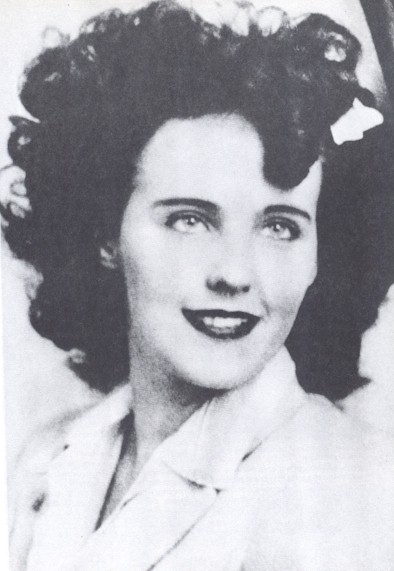
Elizabeth Short

Red arrived at the French home at 7:30 p.m. He loaded Beth’s two suitcases in the car. Neighbors who saw them said they seemed in high spirits.

They headed north, hugging the coast, and checked into a motel a few hours later.

After an evening of dinner and dancing, they returned to the motel. Beth curled up in the chair. Red took the bed—alone.

The next morning, they left the motel and started north. What was said on that drive to Los Angeles? Red noticed some scratches on Beth’s arms and asked her about them. She spun a story about a jealous boyfriend. An Italian with a temper. He had scratched her. Maybe he never existed. Maybe she made the scratches herself. It wasn’t the last lie she told him that day.

Beth spent much of the drive in silence. She may have wondered what she would do once she hit L.A. She had calls to make. Maybe one of her Hollywood friends had a couch. But first—she needed to ditch Red.

Once they arrived in the city, Beth told Red that she needed to check her luggage at the bus depot. He took her there, but refused to leave her in that neighborhood on her own. She insisted she would be fine, but he wouldn’t hear of it.

Beth had a few minutes while she checked her bags to come up with a plan. When they returned to his car, she told him she needed to go to the Biltmore Hotel to wait for her sister. It was a lie. Her sister Virginia was in Oakland, hundreds of miles to the north.

Red drove her several blocks to the hotel. The main lobby was on Olive Street, directly opposite Pershing Square. She expected to be dropped off, but he wouldn’t leave her. He may have wanted to postpone seeing Harriet. He hadn’t spoken to her for days.  

They sat in the Biltmore’s grand lobby, surrounded by velvet chairs and marble silence. They made small talk. Nothing important. Nothing honest. Red finally said he had to go. She assured him she would be fine.
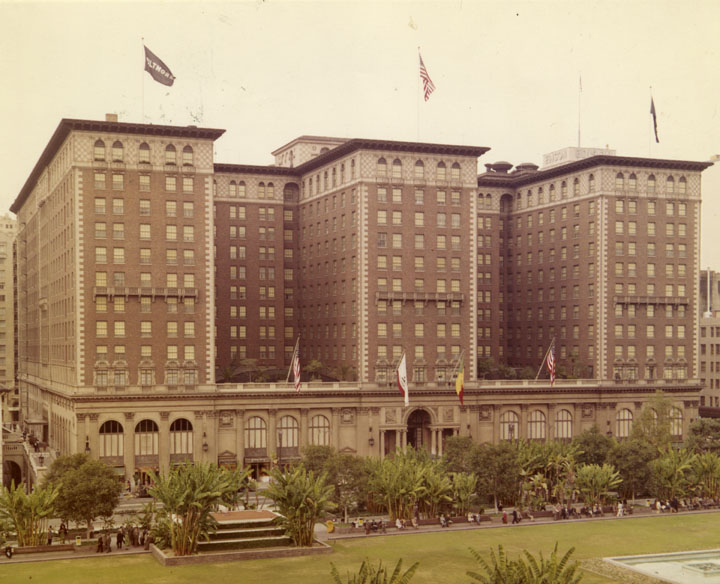
Biltmore Hotel

At 6:30 p.m. Beth watched him go. She waited a few moments, eyes on the clock. Then she rose and walked out. She turned right onto Olive Street.

Did she stop at the Crown Grill at Eighth and Olive? She’d been there before. Maybe she’d find a familiar face—or a place to sleep. Some of the Grill’s patrons thought they saw her that night. None were certain.

Sometime after 6:30 p.m. on January 9, 1947, Elizabeth Short met her killer.

NEXT TIME: The missing week.

NOTE: For a glimpse into Los Angeles as Beth Short would have seen it, here is some amazing B-roll from shot for a Rita Hayworth film, Down to Earth, via the Internet Archive.
The Black Dahlia–January 9, 1947

About 12:20 p.m. on January 9, 1947, Elizabeth Short and Robert “Red” Manley left the motel where they had spent the night. Beth met Red, a traveling salesman, in San Diego. She decided to return to Los Angeles, and contacted him for a ride. .

He picked her up at the home of the French family where she had worn out her welcome. They offered her a place to stay for a few days. She lounged on their sofa for a month.

Robert “Red” Manley.

What did Beth and Red talk about during the couple of hours that it took them to drive back to Los Angeles from San Diego? Red noticed some scratches on her arms and asked her about them. She concocted a story about a jealous boyfriend—an Italian with black hair living in San Diego—who she alleged had scratched her. Beth probably made the scratches herself. Maybe insect bites? Beth lied to Red a few times more before their day together ended.

Harriet forgave Red

Following a platonic night in the motel room–Red passed his self-administered love test. Lucky Harriette. He still had a problem; he’d been out of touch with his wife for a couple of days. How would he explain his silence? Any guy capable of devising a ridiculous love test could come up with an excuse for being incommunicado for a couple of days.

In my mind’s eye, I see Beth and Red seated across from each other on the bench seat in his Studebaker, each lost in thought. Beth may have wondered what she’d do once she hit L.A. Maybe she’d go to friends in Hollywood. If she was lucky, someone would have an empty bed for her. Her immediate difficulty was Red. How would she get away from the well-meaning guy for whom she felt nothing?

Once they arrived in the city, Beth told Red that she needed to check her luggage at the bus depot. He took her there and Beth was ready to wave goodbye to him and be on her way–but he wouldn’t leave. He told her he couldn’t leave her in that neighborhood on her own. She insisted she would be fine, but he wouldn’t hear of it.

Beth had a few minutes while she checked her bags to make a plan to ditch her red-headed shadow. When they returned to his car, she told him she needed to go to the Biltmore Hotel to wait for her sister, Virginia. It was a lie. Virginia was in Oakland, hundreds of miles to the north.

Red drove her several blocks back to the Biltmore Hotel. The main lobby was on Olive Street, opposite Pershing Square. Beth thanked Red. He had been a gentleman. He’d paid to have taps put on the heels and toes of her pumps, and of course he’d paid for meals and the motel room. She thought he would drive off and leave her, but once again, he said that he didn’t feel comfortable putting her out of the car on her own.

Biltmore Hotel

He parked, and the two of them waited in the Biltmore’s lobby for a couple of hours. Finally, Red realized he couldn’t wait any longer. He said he had to go. She told him she would be fine, and that she expected her sister to arrive at any moment.

Red left her at 6:30 p.m. Beth watched him go–gave him a few minutes, and then she exited the hotel and turned south down Olive Street.

She may have been going to the Crown Grill at Eighth and Olive. She’d been there before and perhaps she hoped to bump into someone she knew; after all, she needed a place to stay.

This is a frame from B-roll of downtown Los Angeles. Do you see the crown? Doesn’t it look like a skull?

When asked if they’d seen Beth, most of the patrons were reluctant to talk to the police because the bar led a double life. By day, it catered to the lunch crowd. Dark enough to be cozy for cocktails for a man escorting a woman, not his wife. By night, the clientele changed to gay men. Because homosexuality was illegal, there were only a few places where men could meet.

No one could say for sure that Beth was in the bar on the 9th—and if she was there, no one saw her leave.

I find it sad that no one missed Beth. She had no family here, and no close friends. She was the perfect prey. With no any credible sightings of her, it is likely that Beth’s killer kept her captive from January 9th until the morning of January 15th, when he murdered her. What did he say to her? Did she plead for her life? It is terrifying to contemplate.