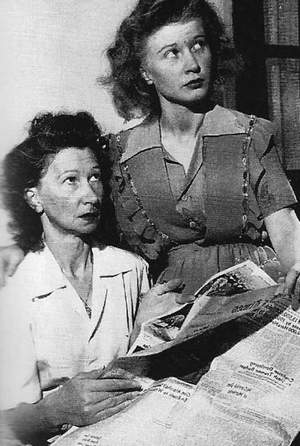
When Dorothy French brought Elizabeth Short home in early December, she never expected her to stake a claim to the family’s sofa. Dorothy had simply meant to offer a safer alternative to a seat in the Aztec all-night movie theater—a place to rest for a night or two. No more than that.
But Betty stayed.
She took advantage of the Frenches’ hospitality. They were too kind to put her out, but the tension in the home was growing. Betty (she used Beth and Betty interchangeably) must have felt it.
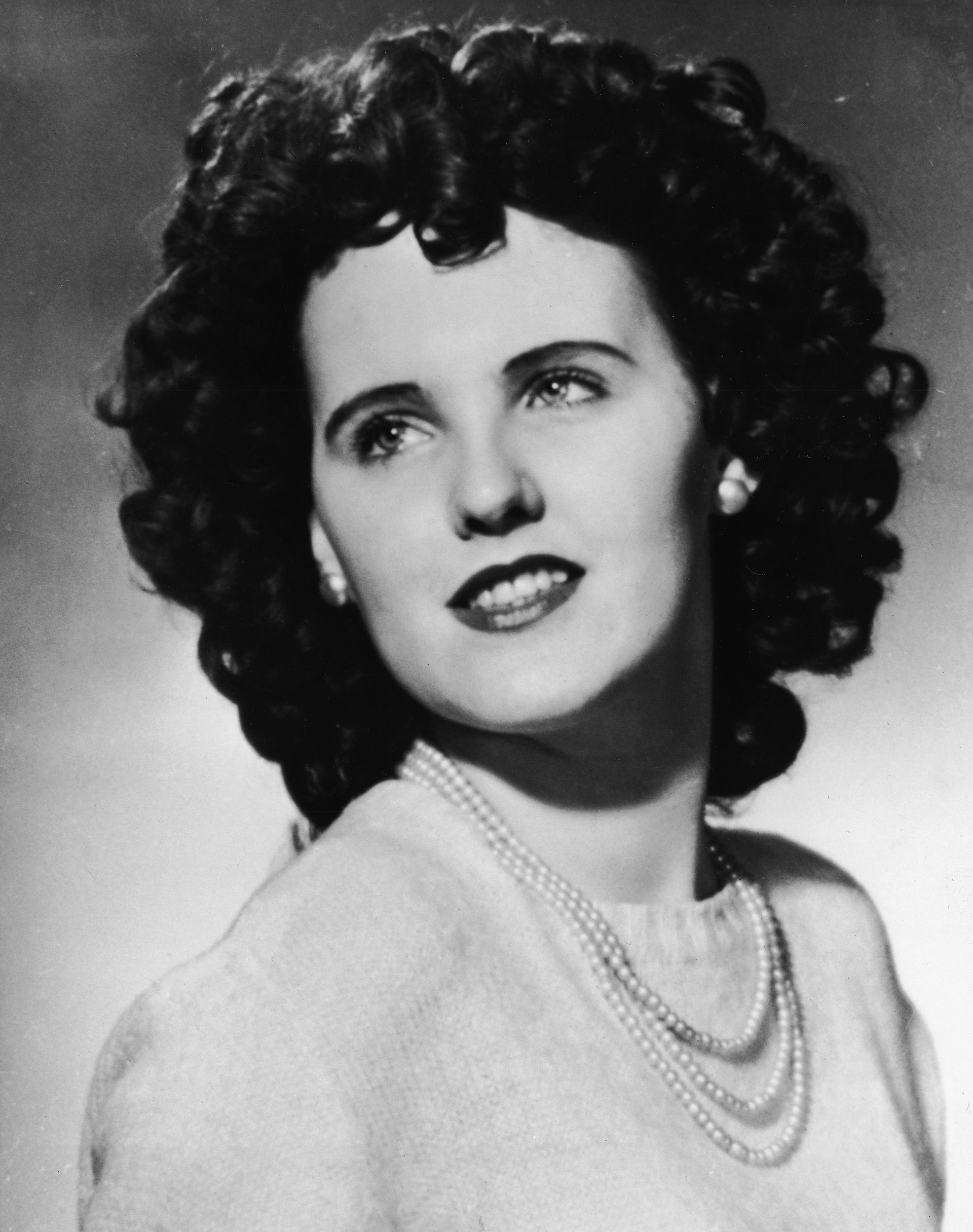
There’s no record of how they spent Christmas. It would have been the perfect time for Betty to leave San Diego, return to Hollywood—where she had connections, where people at least knew her. But she remained, a guest among strangers. The question is why.
Was she waiting for money? A ride? A man?
Some accounts reduce her stay in San Diego to cliché: drifting, partying, mysterious. It was none of those things. It was stasis. A kind of limbo.
She spent her days writing letters—many of which she never mailed.
One of the most poignant was addressed to Gordon Fickling, dated December 13. She had lived with Fickling—a Navy lieutenant and flier—months earlier in Long Beach. Gordon Fickling.

She wrote:
“I do hope you find a nice girl to kiss at midnight on New Year’s Eve. It would have been wonderful if we belonged to each other now. I’ll never regret coming west to see you. You didn’t take me in your arms and keep me there. However, it was nice as long as it lasted.”
The unsent letter offers a glimpse into her state of mind. It is wistful—a quiet longing for something stable. A safe harbor. And the realization that safety, when it appears at all, is always temporary.
The Frenches’ home had become a kind of refuge. Temporary, but real.
Then, something strange happened.
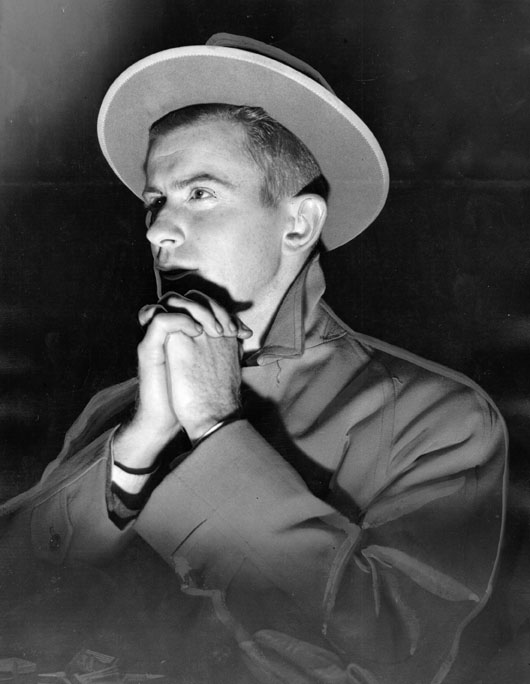
On January 7, two men and a girl came to the door. They knocked, waited a few minutes, and then ran to a car parked outside.
Betty peeked through the window but refused to answer. She was visibly terrified. When Dorothy asked her about it, Betty was evasive—so much so that Dorothy eventually gave up trying to get answers.
Shortly after, Betty wired Red and asked him to come get her. She was ready to leave San Diego.
He responded the next day:
“Wait and I’ll be down for you.”
NEXT TIME: Elizabeth Short’s life is measured in days.
Archival Note: Little contemporaneous documentation exists regarding Elizabeth Short’s daily life during her stay with the French family in Pacific Beach. Beyond later statements attributed to Dorothy French, and the surviving unsent correspondence, no police reports, diaries, or third-party accounts place Short at any specific location in San Diego between December 8, 1946, and her departure in early January 1947.