Black Dahlia: Corpse in the Weeds

Mrs. Betty Bersinger and her three-year-old daughter Anne walked south down Norton Avenue in Leimert Park, a still-growing Los Angeles suburb. They’d left their home at 3705 S. Norton to take a pair of shoes to be repaired.

Betty Bersinger

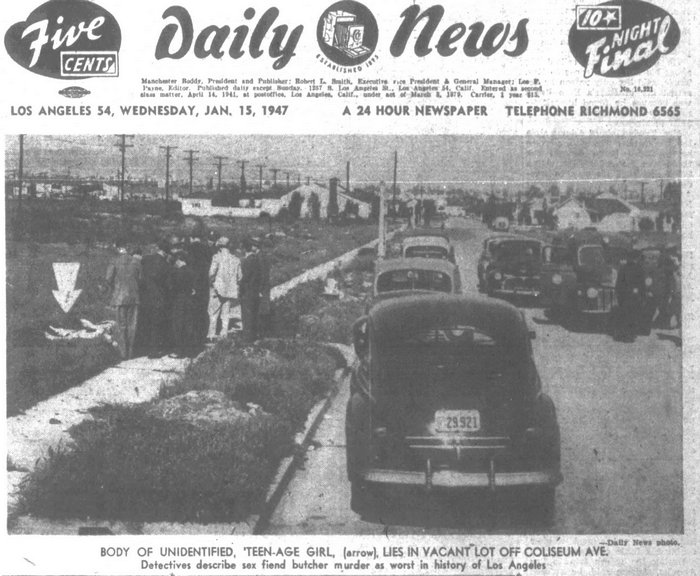
Like much of postwar L.A., Norton was only half-formed. Wartime shortages had stalled housing construction, and the neighborhood was still catching up. It was January 15, 1947, around 10:30 a.m., when Betty and Anne approached a large vacant lot in the 3900 block of Norton. Something pale caught Betty’s eye in the weeds—about fifty feet from a fire hydrant and just a foot from the sidewalk.

It looked like a discarded mannequin. Or a woman, lying very still.

As they drew closer, Betty realized it was neither mannequin nor drunk. It was a woman—nude, pale, and cut in half.

She grabbed Anne and ran to the nearest home to call police.

Over the years, several reporters have elbowed their way into the legend, each claiming to be the first at the scene. One of the loudest was Will Fowler.

Fowler said he and photographer Felix Paegel of the Examiner were near Crenshaw Boulevard when a call came crackling over the shortwave. The report was bizarre: a naked woman, possibly drunk, sprawled in a vacant lot one block east of Crenshaw between 39th and Coliseum.

 “A naked drunk dame passed out in a vacant lot. Right here in the neighborhood too. Let’s see what it’s all about.”

Paegel drove as Fowler watched for the woman. “There she is. It’s a body all right…” Fowler got out of the car and approached the body as Paegel pulled his Speed Graphic from the trunk. Fowler called out, “Jesus, Felix, this woman’s cut in half!”

That was Fowler’s version, and he stuck to it. He even claimed to have closed the dead girl’s eyes.

But was any of it true?

Other accounts suggest a reporter from the Los Angeles Times was the first on the scene.

Another contender? In her autobiography, Newspaperwoman, Herald reporter Agness ‘Aggie’ Underwood, claimed to be the first.

After nearly eight decades does it matter? All those who saw the murdered girl that day saw the same horrifying sight. It left an indelible impression.

Aggie Underwood on Norton, January 15, 1947.

 Aggie observed:

“It [the body] had been cut in half through the abdomen, under the ribs. The two sections were ten or twelve inches apart. The arms, bent at right angles at the elbows, were raised above the shoulders.

The legs were spread apart. There were bruises and cuts on the forehead and the face, which had been beaten severely. The hair was blood-matted. Front teeth were missing. Both cheeks were slashed from the corners of the lips almost to the ears. The liver hung out of the torso, and the entire lower section of the body had been hacked, gouged, and unprintably desecrated. It showed sadism at its most frenzied.”

The coroner recorded the victim as Jane Doe #1 for 1947.

Two seasoned LAPD detectives, Harry Hansen and Finis Brown, took charge of the investigation. During the first twenty-four hours, officers pulled in over 150 men for questioning. The city’s most brutal murder had just begun its long descent into legend.

The most promising of the early suspects was twenty-three-year-old transient, Cecil French. He was busted for molesting women at a downtown bus depot.

Police were alarmed when they discovered French had pulled the back seat out of his car. Had he concealed a body there? Police Chemist Ray Pinker found no blood or any other physical evidence of a bloody murder in French’s car. Investigators dropped from him the list of hot suspects.

In her initial coverage for the Herald, Underwood referred to the case as the “Werewolf” slaying because of the savagery of the mutilations inflicted on the unknown woman. The werewolf tag would identify the case until a better one came along—the Black Dahlia.

NEXT TIME: Jane Doe #1 gets a name—and a past.

REFERENCES:

Fowler, Will (1991). Reporters: Memoirs of a Young Newspaperman.

Gilmore, John (2001). Severed: The True Story of the Black Dahlia Murder.

Harnisch, Larry. A Slaying Cloaked in Mystery and Myths. Los Angeles Times. January 6, 1997.

Underwood, Agness (1949). Newspaperwoman.

Wagner, Rob Leicester (2000). The Rise and Fall of Los Angeles Newspapers, 1920-1962.

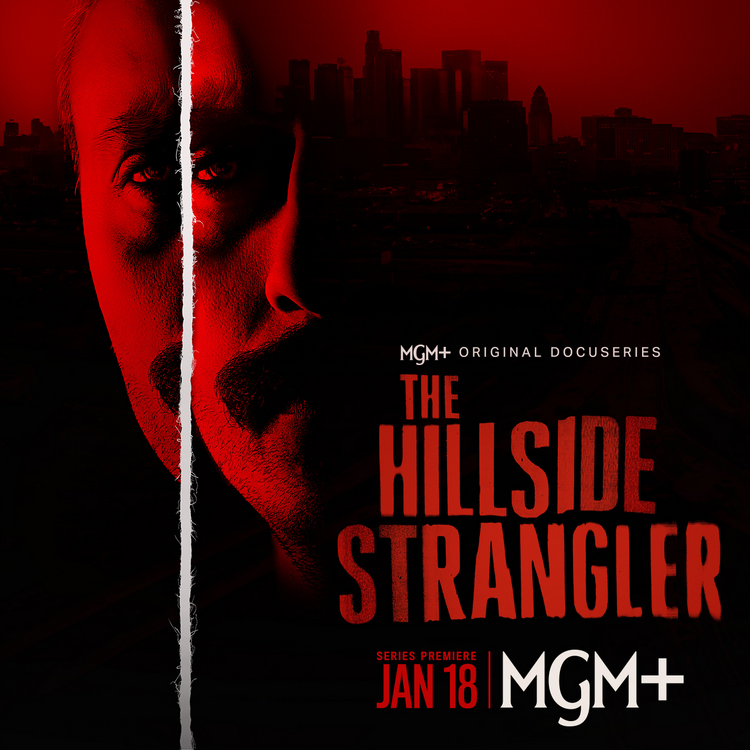
The Hillside Strangler: MGM+ Docuseries

I was interviewed over the summer for this four-part docuseries. The Hillside Strangler case was one of the worst in Los Angeles’ history.

One of the killers, Angelo Buono, died in prison in 2002. His cousin, and accomplice, Kenneth Bianchi, remains in prison. May he rot.

The most important names to remember are those of their victims:

Yolanda Washington
Judity Miller
Lissa Kastin
Delores Cepeda and Sonja Johnson
Kristina Weckler
Evelyn Jame King
Lauren Wagner
Kimberly Martin
Cindy Hudspeth

Here is the trailer.

Black Dahlia: The Missing Week–January 9-January 15, 1947

After hours of small talk in the Biltmore Hotel lobby, Robert “Red” Manley finally left Beth Short. He had been out of touch with his wife, Harriet, for a few days. It was time to go home.

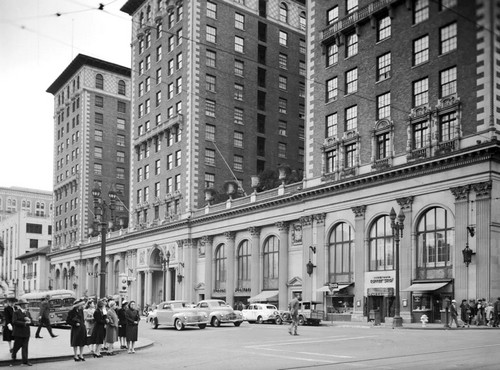
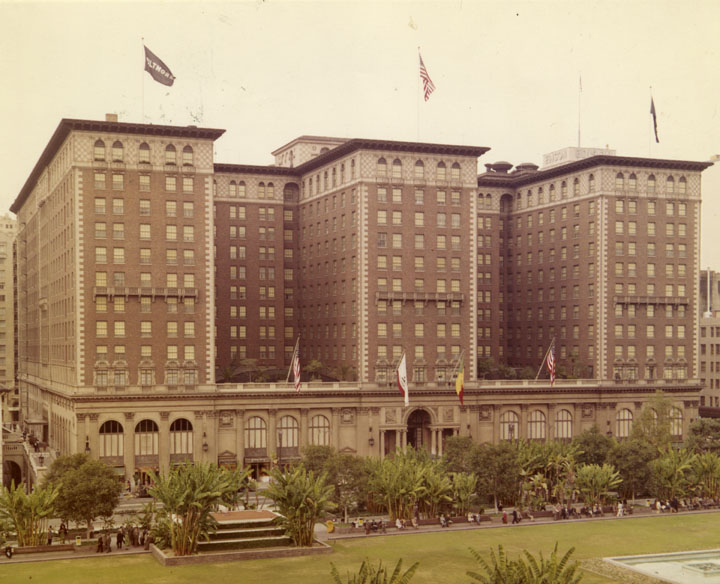
Biltmore Hotel at 5th and Olive

She told him she’d be fine. Her sister was coming. A lie—one of many she’d told Red since December. At 6 p.m. on January 9, 1947, Beth left the Biltmore lobby, navigated her way through guests and luggage to Olive Street. She turned right. She turned right. Whatever money she had, none of it was going to public transit. Otherwise, she would have turned left and gone to the nearby Subway Terminal Building.

Darkness had settled. Streetlights spilled pale circles across the pavement. Streetcars clanged. Buses sighed. Snatches of conversation carried further in the chill winter air. For the first block, she walked against pedestrian traffic.

Office workers streamed out onto the sidewalk. Men with hats pulled low, coats buttoned tight, heading toward the Subway Terminal Building.

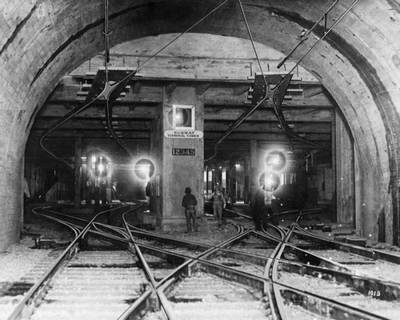
Subway terminal, Los Angeles

From 5th to 6th Streets, Beth encountered the usual post-war mix of bellmen, traveling salesmen, secretaries, and servicemen. The air smelled of diesel exhaust, coffee, diner food, damp concrete, and cigarette smoke.

Few women walked along. Those who did moved with purpose. Beth had a destination in mind. Hollywood would be the best place for her to find an acquaintance who could put her up for the night, or suggest a place where she could find a bunk bed for a dollar a night. If she didn’t have enough for more than a night or two, she could vanish down an exterior fire escape. She had done it before.

Continuing down Olive Street, between 6th and 7th, she would pass professional buildings, insurance offices, and small law firms. Several luncheon cafes offered sandwiches, pie, and weak coffee.

Foot traffic thinned out past 7th . The quiet edge of the street, with anonymous storefronts and upper-floor offices. Several bars dotted the street. None were rowdy. Just quiet places to grab an end-of-the-day cocktail.

Did Beth stop in at the Crown Grill at 8th and Olive? There have been no definitive sightings of her there on January 9th. She had lunched at the Grill with a friend and the friend’s married lover a few times.

Crown Grille at 8th & Olive

It isn’t unreasonable to assume she poked her head in, seeking a familiar face. One of the bartenders once drove Beth up to Mulholland, where they necked. Nothing more. If he had been behind the bar, she might have asked him for a dollar or two. Or a ride.

Beth didn’t walk eight miles to Hollywood. That much is certain.

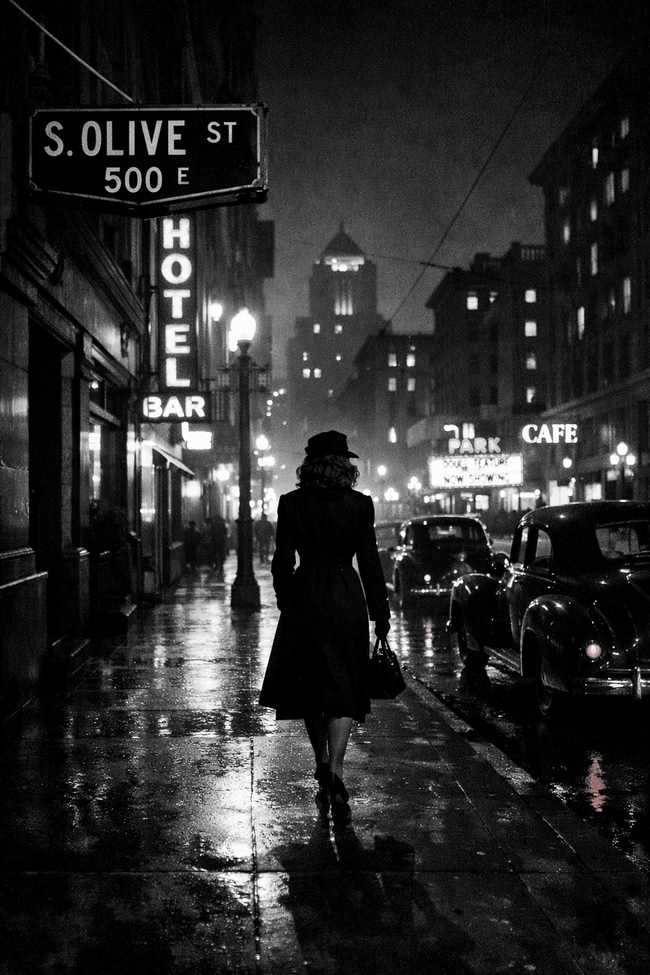
AI generated image of woman walking on Olive Street.

Did her killer encounter her at the Crown Grill? Or did he stop and offer her a ride as she walked along Olive? Faced with a long cold walk, Beth would have accepted. She may have played it coy at first, just like she did with Red Manley when he approached her on a San Diego street corner.  But in the end, if a man in uniform, or in a topcoat and tie, offered a warm ride to Hollywood—she would have gone.  

That, I believe, is how the missing week began.

What followed, between January 9 and January 15, is the stuff of nightmares

NEXT TIME: After January 9, 1947, Elizabeth Short exists only in fragments. And fragments are where killers hide.

.

Black Dahlia: Last Seen

Two men and a woman came to the door of the French home on January 7, 1947. Elizabeth Short saw them, but didn’t open the door.

Their visit rattled her. Who were they? If she knew, she didn’t say. Instead, she contacted Robert “Red” Manley, the salesman she’d dated a couple of times, and asked him to come and get her.

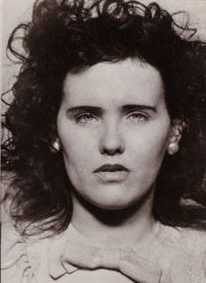
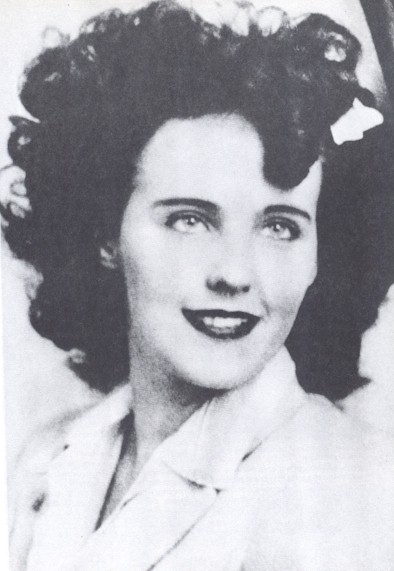
Elizabeth Short

Red arrived at the French home at 7:30 p.m. He loaded Beth’s two suitcases in the car. Neighbors who saw them said they seemed in high spirits.

They headed north, hugging the coast, and checked into a motel a few hours later.

After an evening of dinner and dancing, they returned to the motel. Beth curled up in the chair. Red took the bed—alone.

The next morning, they left the motel and started north. What was said on that drive to Los Angeles? Red noticed some scratches on Beth’s arms and asked her about them. She spun a story about a jealous boyfriend. An Italian with a temper. He had scratched her. Maybe he never existed. Maybe she made the scratches herself. It wasn’t the last lie she told him that day.

Beth spent much of the drive in silence. She may have wondered what she would do once she hit L.A. She had calls to make. Maybe one of her Hollywood friends had a couch. But first—she needed to ditch Red.

Once they arrived in the city, Beth told Red that she needed to check her luggage at the bus depot. He took her there, but refused to leave her in that neighborhood on her own. She insisted she would be fine, but he wouldn’t hear of it.

Beth had a few minutes while she checked her bags to come up with a plan. When they returned to his car, she told him she needed to go to the Biltmore Hotel to wait for her sister. It was a lie. Her sister Virginia was in Oakland, hundreds of miles to the north.

Red drove her several blocks to the hotel. The main lobby was on Olive Street, directly opposite Pershing Square. She expected to be dropped off, but he wouldn’t leave her. He may have wanted to postpone seeing Harriet. He hadn’t spoken to her for days.  

They sat in the Biltmore’s grand lobby, surrounded by velvet chairs and marble silence. They made small talk. Nothing important. Nothing honest. Red finally said he had to go. She assured him she would be fine.

Biltmore Hotel

At 6:30 p.m. Beth watched him go. She waited a few moments, eyes on the clock. Then she rose and walked out. She turned right onto Olive Street.

Did she stop at the Crown Grill at Eighth and Olive? She’d been there before. Maybe she’d find a familiar face—or a place to sleep. Some of the Grill’s patrons thought they saw her that night. None were certain.

Sometime after 6:30 p.m. on January 9, 1947, Elizabeth Short met her killer.

NEXT TIME: The missing week.

NOTE: For a glimpse into Los Angeles as Beth Short would have seen it, here is some amazing B-roll from shot for a Rita Hayworth film, Down to Earth, via the Internet Archive.