Welcome! The lobby of the Deranged L.A. Crimes theater is open! Grab a bucket of popcorn, some Milk Duds and a Coke and find a seat. Today’s feature is THE UNSEEN starring Joel McCrea, Gail Russell, and Herbert Marshall.
The movie is an unofficial sequel to the THE UNINVITED (1944), which starred Ray Milland and Gail Russell, and based on a novel written by Ethel Lina White. Another of White’s novels was adapted for the screen and became Alfred Hitchcock’s wonderful film, THE LADY VANISHES.
Enjoy the movie!
TCM says:
On Crescent Drive in New Bristol, on a dark, rainy New England night, an elderly housekeeper named Alberta sees a man lurking inside the boarded-up house at Number Eleven, and is strangled by him in nearby Salem Alley. Young Barnaby Fielding watches the scene from his bedroom window at Number Ten, and retrieves Alberta’s gold watch. The murder is still unsolved when Elizabeth Howard arrives at the Fieldings’ to be the new governess for Barnaby and his sister Ellen. Barnaby is strangely devoted to their former governess, Maxine, who orders him to keep watch at night and leave his stuffed elephant in the window. Elizabeth finds the gold watch and gives it to Barnaby’s father David, but because he was suspected of killing his wife, who died in an automobile accident two years earlier, David is afraid to give it to the police.
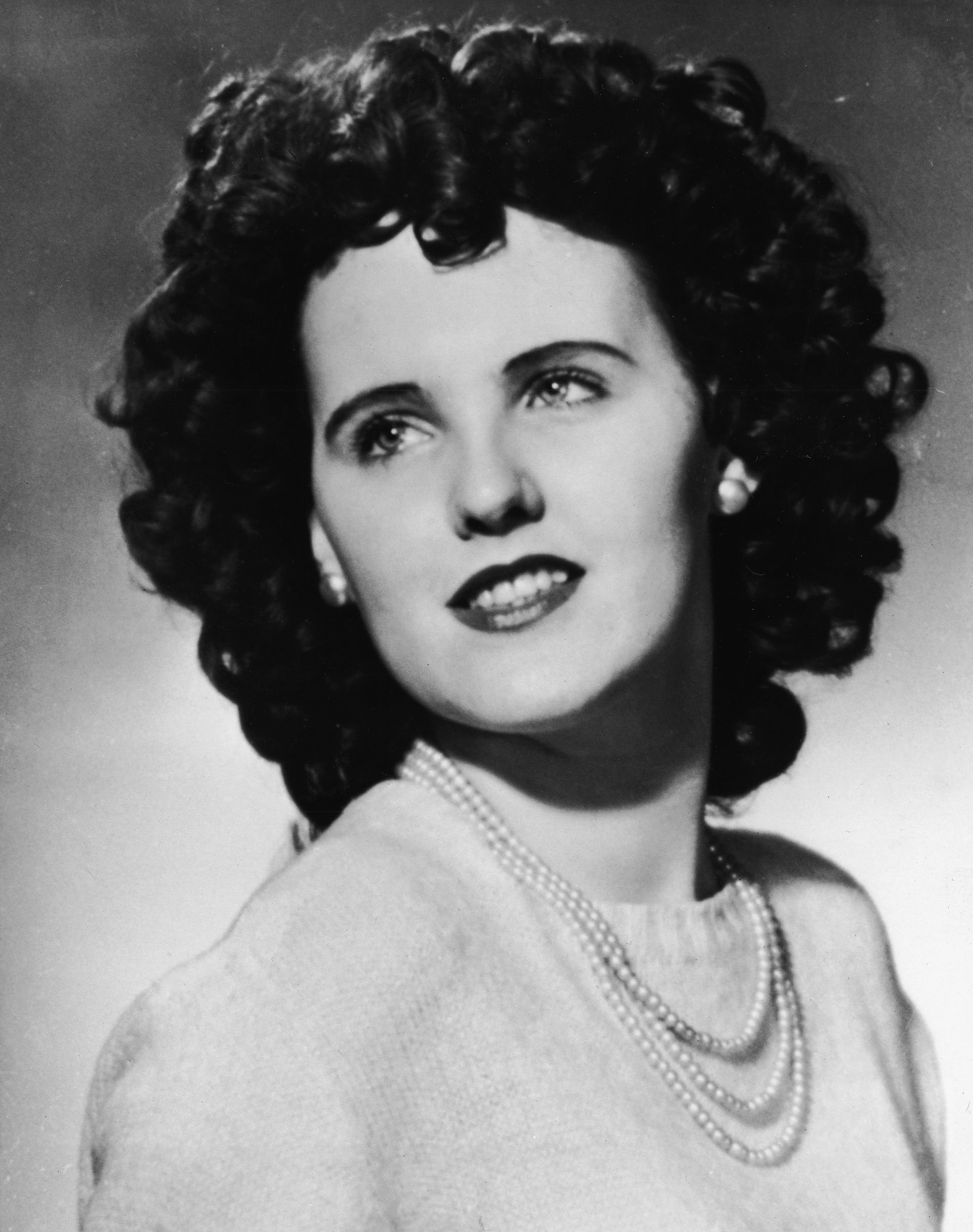
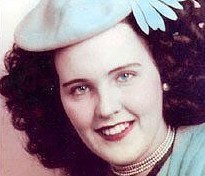
Today, July 29, 2024, marks the centenary of Elizabeth Short’s birth. Born in Boston, Beth, as she often preferred to be called, was the middle child of Cleo and Phoebe Short. She had four sisters: Virginia, Dorothea, Elnora, and Muriel.
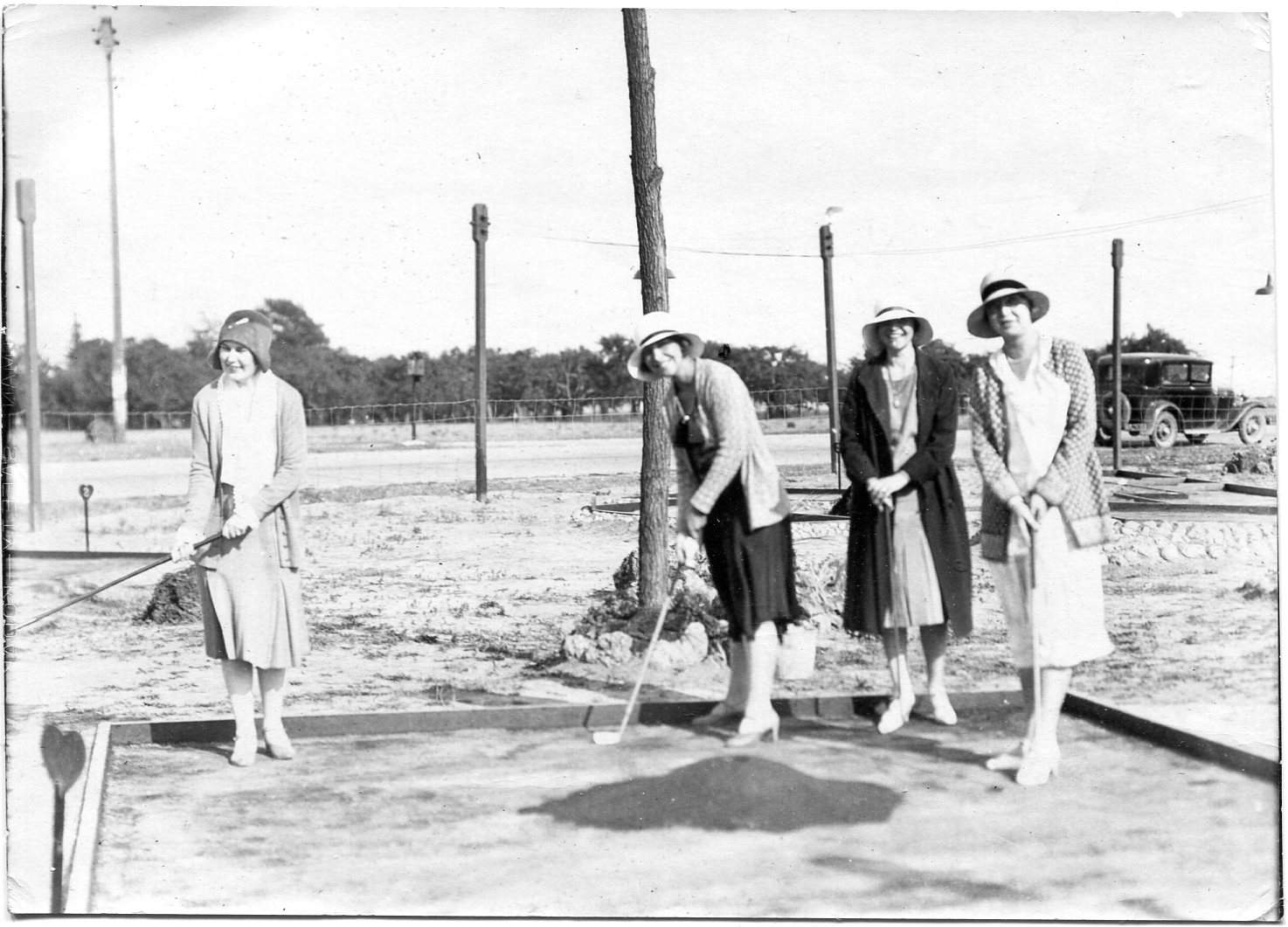
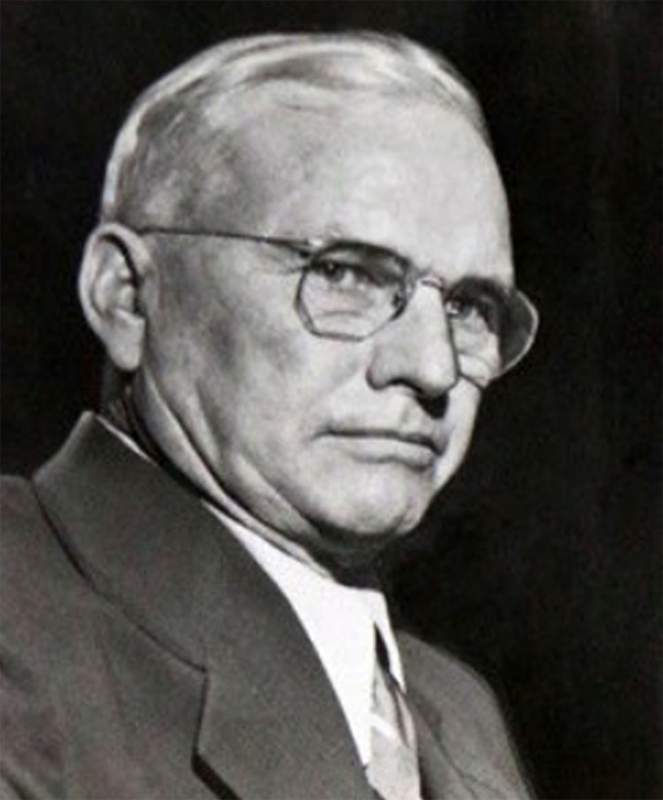
Cleo held various sales jobs over the years. The miniture golf craze of the 1920s captured his imagination. He opened a course, but in 1930, the business tanked. Rather than face the loss, and his responsibilities to his family, he positioned his car close to a bridge to create the appearance of suicide. A houseful of women has its comforts, but Cleo’s abandonment appears to have profoundly affected Beth.
Miniature golf was all the rage in the 1920s and 1930s.
A few years later, Cleo wrote to Phoebe and asked for forgiveness. She refused. At least Beth knew Cleo was alive. She hoped for a relationship. She found him in California. Rather than a loving father, he was a mean drunk, looking for a housekeeper, not a daughter. Their reunion failed.
Cleo Short
In 1943, she worked at Camp Cooke, now Vandenberg Air Force Base, where they voted her “Camp Cutie. On September 23, 1943, she got arrested for underage drinking at the El Paseo restaurant in Santa Barbara. The jail matron gave her money for a bus ticket back to Medford, Massachusetts.
Because of her asthma, Beth would regularly escape the harsh Massachusetts winters to work as a waitress in Florida.
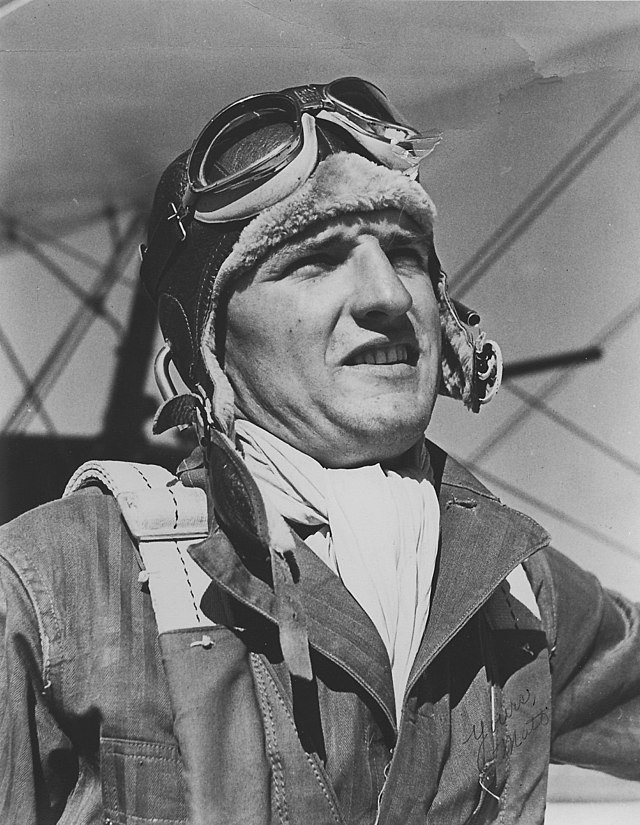
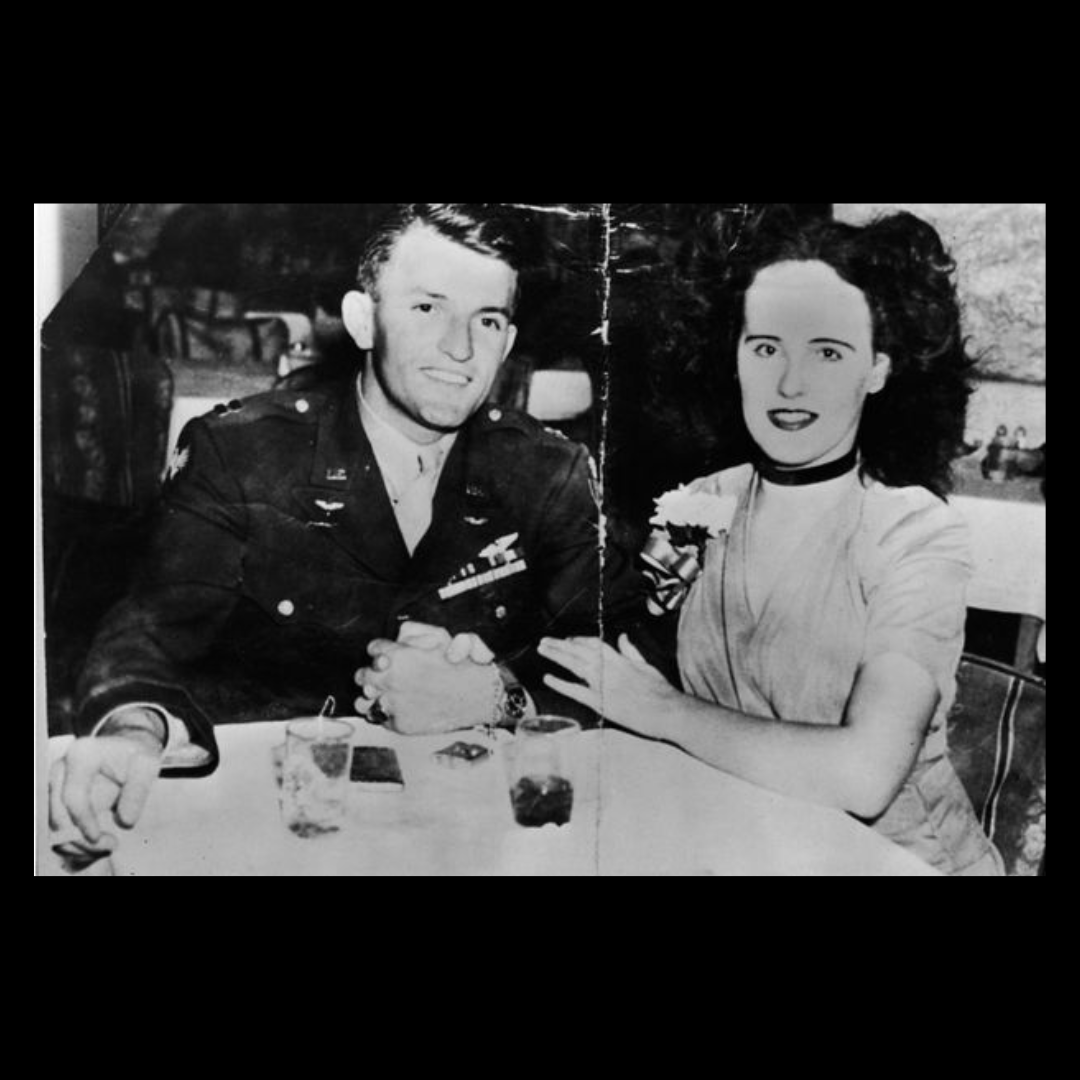
Major Matt Gordon, a decorated fighter pilot, met Beth in Miami, Florida while on leave in 1944. He may have been on leave after sustaining injuries in a plane crash in February. A photo of them together shows him smiling, and Beth with stars in her eyes, and a proprietary hand on his arm. The handsome pilot was everything the twenty-year-old wanted.
Matt Gordon
Matt’s death in a plane crash near Kalaikunda in West Bengal, India, on August 10, 1945, was a cruel twist of fate. It happened just one day after the bombing of Nagasaki, Japan, and only weeks before the war ended. Matt’s loss devastated Beth.
After August 1945, she never worked again. She drifted from Medford, to Chicago, Florida, and to Los Angeles—chasing a ghost.
She lived in Long Beach, California, during the summer of 1946. While there, friends nicknamed her the Black Dahlia. By the end of the year, she was couch surfing at the home of Dorothy and Elvera French in San Diego. While in San Diego, she met a traveling salesman, Robert “Red” Manley, when he offered her a ride.
Beth and the married salesman, a fact he no doubt concealed from her, corresponded for a month or two before she asked him if he would drive her back to Los Angeles in early January 1947. He agreed.
Matt Gordon and Beth Short
Red picked her up at the French’s on January 8th. They drove up the coast and stayed the night in a motel before arriving in Los Angeles on January 9th. Beth checked her luggage at the bus depot. Red refused to leave her in such a sketchy neighborhood. He took her to the Biltmore Hotel, where she told him she was meeting her sister, Virginia. It was a lie. Virginia lived hundreds of miles north in Oakland.
Red stayed with her in the hotel lobby for a long time before he left. Beth, now on her own, left the hotel lobby, turned right on Olive, and vanished.
On the morning of January 15, a Leimert Park housewife, Betty Bersinger, discovered Beth’s body while out running errands. Where was Beth for those missing days? No one who knew her saw her during that time. The thought of her being held captive by her killer is horrifying.
Once police established her identity, reporters saw it as an opportunity to pry into every detail of Beth’s life. The dead lose their right to privacy. Speculation filled column after column in the newspapers. The prevailing attitude was that nice girls do not get murdered. Yet Beth had done nothing, good or bad, worthy of note. At 22-years-old, she never got the chance.
As time passed with no solution, the case grew cold. Other murders captured headlines. It was not until decades later, following a couple of books, and a mid-1970s made-for-TV movie, that Beth’s story became news again.
It is understandable that the case is known in Los Angeles, but what I find most interesting is that the 77-year-old Los Angeles murder mystery has drawn global interest. What is it about Beth’s murder that resonates with people even today?
It may be the supposed Hollywood connection.
Most contemporary articles erroneously describe Beth as an aspiring actress, or starlet. Such characterizations make her murder the ultimate Hollywood heartbreak story with a violent twist.
Still, two distinct narratives about Beth co-exist. One is the myth of the Black Dahlia, a fictional character based on Beth’s life.
The second story, and the one I believe is true, is that of a depressed, confused, and needy young woman seeking marriage and stability in the chaos and uncertainty of the post-war world.
Each of her sisters married and had children. By the time of Phoebe’s death in 1992, three daughters, thirteen grandchildren, twenty-one great-grandchildren, and one great-great-grandson survived her. If Beth had lived, she would undoubtedly contributed heirs.
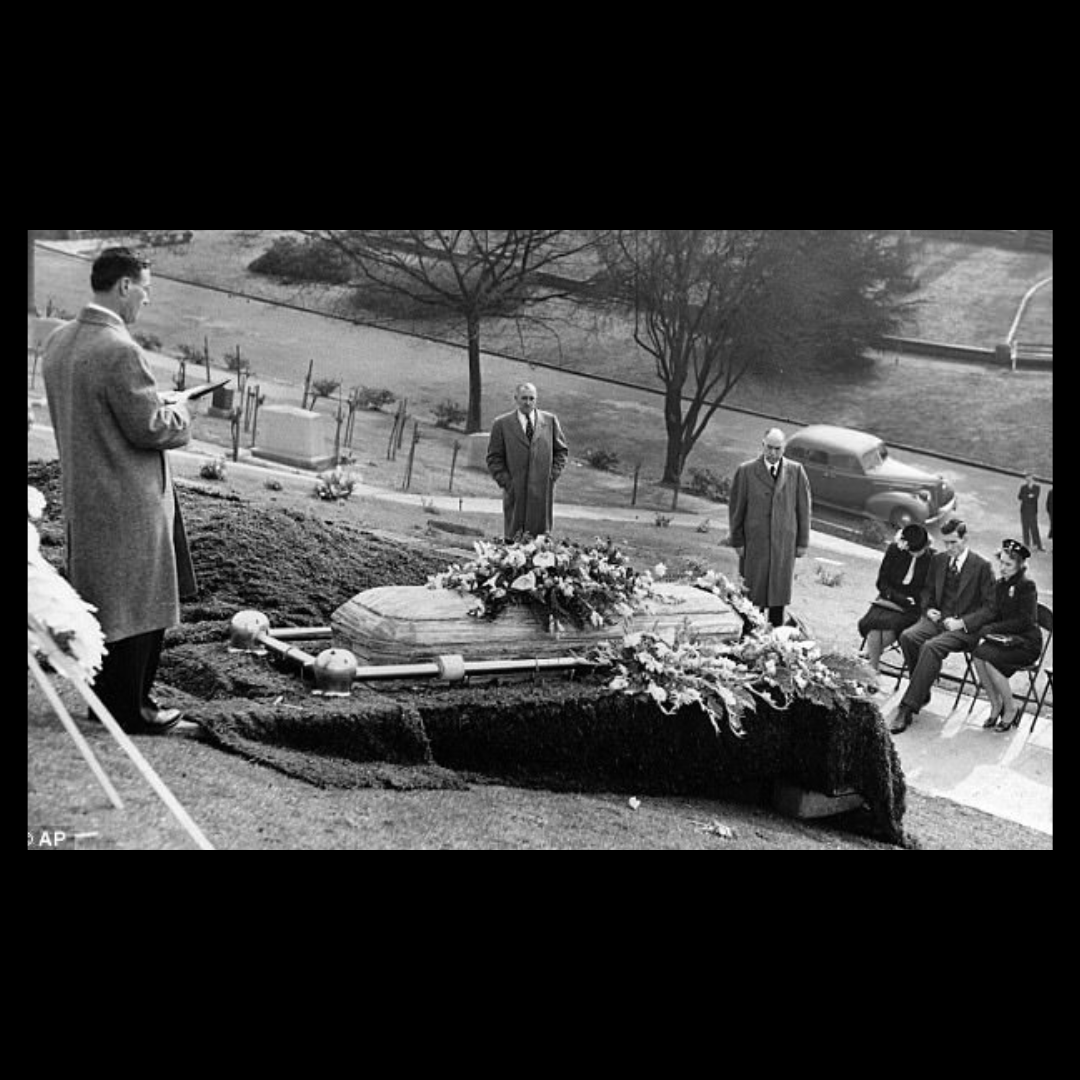
Beth’s funeral in Oakland, California
We have lost sight of the troubled young woman who came to California to connect with her father—not to break into the movies.
The tragedy of Beth’s life is not that she failed to achieve Hollywood stardom, she never sought it.
Beth was looking for what most people her age wanted—marriage and a home. She pursued a romantic vision of a husband in uniform with shiny bright brass buttons, and a bungalow with a white picket fence.
Judging by an undated letter she received from Lieutenant Stephen Wolak, she did not hesitate to press a man for marriage. Wolak’s letter reads in part, “When you mention marriage in your letter, Beth, I get to wondering. Infatuation is sometimes mistaken for true love. I know whereof I speak, because my ardent love soon cools off.”
Wolak’s response to Beth’s letter is a frank assessment of their relationship—which, in his estimation, was not serious. You can gauge her desperation from his response.
How many other men in uniform received letters from Beth suggesting marriage?
A depressed and lonely young woman with daddy issues looking for love is not necessarily the stuff of bestselling books or blockbuster movies.
The pathos of Beth’s real life can make us uncomfortable, so we perpetuate the myth of the Black Dahlia. It is the epic tale of a beautiful young woman seeking stardom who meets a brutal end at the hands of a depraved killer that mesmerizes us.
I imagine in the years to come—no matter what may be revealed; we will continue to hold fast to the myth.
Welcome! The lobby of the Deranged L.A. Crimes theater is open! Grab a bucket of popcorn, some Milk Duds and a Coke and find a seat. Today’s feature WHISTLE STOP starring George Raft, Ava Gardner, Victor McLaglen, and Tom Conway.
Enjoy the movie!
TCM says:
TCM says: When Mary returns to Ashbury, the small town she left several years earlier, her first stop is the house she owns, where Molly Veech and her family now live. Before she left town, Mary was in love with Molly’s son Kenny, a loafer and a drunk, but was driven away by his lack of ambition. Mary is disappointed to learn that Kenny still has no job and spends his nights gambling and drinking. That night at dinner, Kenny is angered when Mary receives a large bouquet of roses from Lew, the owner of the town’s hotel and bar, and follows Mary to Lew’s club when she goes there to thank him.
Welcome! The lobby of the Deranged L.A. Crimes theater is open! Grab a bucket of popcorn, some Milk Duds and a Coke and find a seat. Tonight’s feature is FEAR IN THE NIGHT, Paul Kelly, DeForest Kelley, and Ann Doran.
One of the film’s stars, Paul Kelly, was involved in a real-life murder case. In 1927. Kelly beat to death actor Ray Raymond, husband of his lover, Dorothy Mackaye. Kelly did time in San Quentin for the crime, and so did Mackaye. Read all about their story in my new book, OF MOBSTERS AND MOVIE STARS: THE BLOODY GOLDEN AGE OF HOLLYWOOD.
This film is based the story NIGHTMARE, by William Irish, one of the pen names of writer Cornell Woolrich. Woolrich wrote many stories that made it to film: Rear Window, The Bride Wore Black, Black Angel, and Phantom Lady, to name just a few. If you are not familiar with Woolrich, he is worth reading. His biographer, Francis Nevins Jr., rated Woolrich the fourth best crime writer of his day, behind Dashiell Hammett, Erle Stanley Gardner and Raymond Chandler
Enjoy the movie!
TCM says:
Bank teller Vince Grayson dreams he is in a mysterious mirror-panelled octagonal room, where a man accompanied by a blonde woman is robbing a safe. Vince and the man fight, and when the man begins to strangle Vince, the woman hands him an awl, with which he pierces the stranger’s heart. The woman flees, and Vince places the man’s body behind one of the mirrored doors and locks it, taking the key. When Vince awakens, he discovers the key in his coat and thinks that he may be a murderer. Distraught, he calls in sick at work and visits his brother-in-law, homicide detective Cliff Harlan.
Welcome! The lobby of the Deranged L.A. Crimes theater is open! Grab a bucket of popcorn, some Milk Duds and a Coke and find a seat. Tonight’s feature is JOHNNY STOOL PIGEON (194) and stars Howard Duff, Shelley Winters, and Dan Duryea. Enjoy the movie!
TCM says:
While following a trail of narcotics, San Francisco-based Treasury agents George Morton and Sam Harrison interrupt an illicit exchange between sailor John Whalen and drug dealer Pete Carter. In the ensuing confusion, Carter shoots and kills Whalen, then escapes. Later, Morton and Harrison locate Carter, but arrive at his hideout seconds after hired killer Joey Hyatt, a mute, murders him. From Carter’s address book, the agents deduce that he was working with the Arctic World Trading Company of Vancouver, Canada. After Morton offers to go undercover to expose the drug ring, he contacts convict Johnny Evans, a former childhood friend, and asks for his help in catching the dealers.
Welcome! The lobby of the Deranged L.A. Crimes theater is open! Grab a bucket of popcorn, some Milk Duds and a Coke and find a seat. Tonight’s feature is SLEEP, MY LOVE (1948), and stars Claudette Colbert, Robert Cummings, and Don Ameche. Enjoy the movie!
TCM says:
Alison Courtland, who is from a wealthy family and married to architect Richard Courtland, wakes up hysterical on board a train from New York to Boston with no idea of how she got there. At the airport on her way back to New York, she meets an old friend, Barby, there to see off explorer Bruce Elcott, who joins Alison’s flight. Richard, meanwhile, has informed police sergeant Strake about Alison’s unexplained absence and because she has disappeared before, he is arranging for her to see an eminent psychiatrist, Dr. Rhinehart.
The investigation into Beth Short’s murder grew colder every day. Police investigated all the crackpots who claimed responsibility for the heinous crime. They went through stacks of letters and postcards that named potential suspects and offered various theories about the culprit. They rousted local sex offenders and searched in vain for the crime scene. If only the killer would confess.
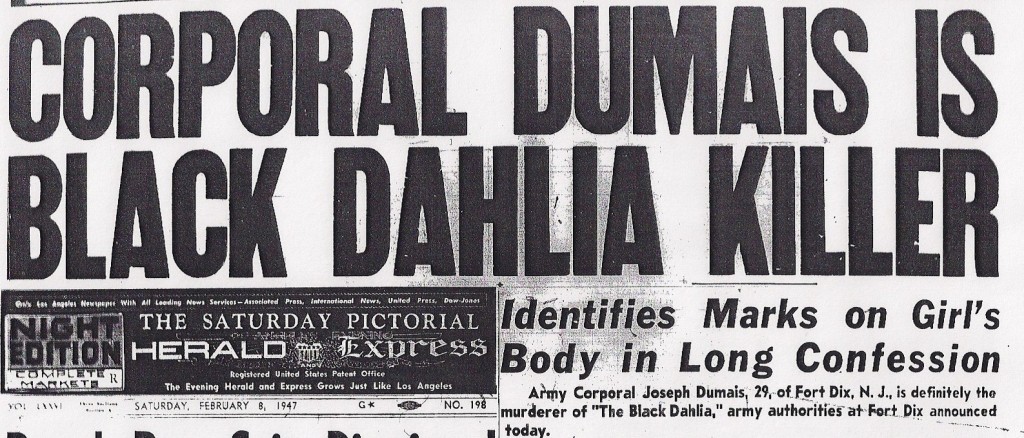
On February 8, 1947, Joseph Dumais, an Army Corporal, came forward and admitted he dated Beth Short. Not only had they dated, he was sure he had killed her. The Herald announced “Corporal Dumais Is Black Dahlia Killer.” The story began, “Army Corporal Joseph Dumais, 29, of Fort Dix, N.J., is definitely the murderer of ‘The Black Dahlia,’ army authorities at Fort Dix announced today.”
Dumais returned to Fort Dix wearing blood-stained trousers with his pockets crammed full of clippings about the murder. In a hand-written 50-page confession, he claimed he dated Beth five days before the discovery of her body—then he suffered a mental blackout.
Joseph Dumais
The good-looking corporal seemed like the real deal. Army Capt. William R. Florence, head of the Fort Dix Criminal Investigation Department, said, “I am definitely convinced that this man is the murderer.” In his zeal to be the one to solve the gruesome murder, Capt. Florence overlooked the superficial nature of Dumais’ answers to his questions. Dumais had only to read the news coverage of the case, and then unleash his imagination to be credible in the short run. When Florence asked, “Does it seem to you at this time that you committed this crime? Dumais answered yes. But as Dumais stated earlier, he blacked out and recalled nothing until he arrived at Penn Station.
Getting to the nitty-gritty details, the Capt. asked, “Do you know how her body was mutilated?” Dumais said he did, but did not wish to describe the injuries. Again, Capt. Florence asked Dumais if he could have committed the murder. Dumais replied, “Yes, it is possible because of my actions in the past.”
In his confession, Dumais told Army authorities he stabbed Beth in the back and around the mouth, then severed her body with a meat cleaver. He washed the body of blood and dumped it in a vacant lot in Leimert Park.
Dumais’s story was riddled with holes. He said he had a date with Beth in San Francisco on January 9 or 10, but could not explain how he got to Los Angeles and then back to Fort Dix. Further questions revealed Dumais to be a blackout drunk. He said he was “rough on the girls” when he had been drinking. Dumais’s credibility eroded with each new statement.
On February 10th, as Dumais’s story unraveled, Los Angeles awakened to the news of another brutal murder of a woman. The Herald put out an extra edition with the headline, “Werewolf Strikes Again! Kills L.A. Woman, Writes B.D. on Body”.
The victim of the “Werewolf Killer” was forty-five-year-old Jeanne French. Her nude body was discovered at 8 a.m. on February 10, 1947, near Grand View Avenue and Indianapolis Street in West L.A. Police were frustrated and overworked. The women of Los Angeles were terrified. What the hell was going on?
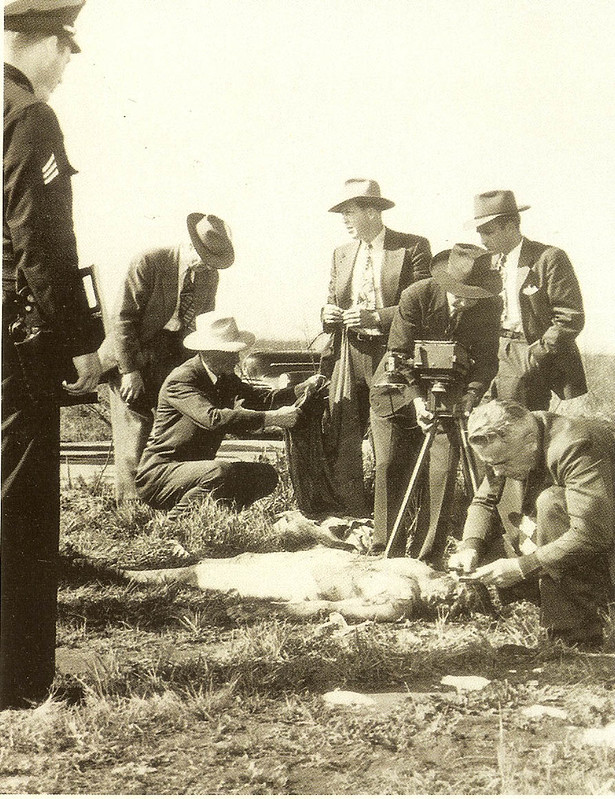
Detectives at the scene of Jeanne French’s murder.
Welcome! The lobby of the Deranged L.A. Crimes theater is open! Grab a bucket of popcorn, some Milk Duds and a Coke and find a seat. Tonight’s feature is CRY OF THE CITY [1948], and stars Victor Mature, Richard Conte, and Shelley Winters. Enjoy the movie!
TCM Says:
Hoodlum Martin Rome, who has killed a policeman during a robbery, is in a hospital prison ward about to be operated on, and is being prayed over by his parents, brothers and sisters and a priest. New York City police lieutenants Vittorio Candella, who grew up in the same Italian neighborhood as Rome, and Jim Collins wait outside to question him. Niles, a lawyer, also wants to see Rome to ask him to confess to his involvement in the killing of a Mrs. de Grazia and thereby save an innocent man who has been arrested for the crime. Rome refuses to cooperate.
Beth Short’s family buried her at Mountain View Cemetery in Oakland, California. The cemetery is located 375 miles north of the vacant lot in Leimert Park, where Betty Bersinger found her, and 3,000 miles away from Medford, Massachusetts, where her journey began.
Law enforcement worked around the clock to find the killer. On January 25th, as Beth’s family laid her to rest, a police search of a trash dump at 1819 East 25thStreet in Vernon turned up one of her shoes and her handbag. Police carefully handled the items to preserve possible fingerprints. Because he saw her last, detectives called on Red Manley to identify the items.
Robert Manley identifies Beth’s purse and shoe
Without hesitation, Red told them the handbag smelled of the perfume Beth wore when he drove her from San Diego to the Biltmore on January 9th. He recognized the shoe from a pile of shoes presented to him by police. Feeling the heel of each shoe, Red stopped at a black right pump. He held it up and said, “This is it! I’m sure of it.” The shoe was the only one with double taps—heel and toe. Red paid to have an additional pair of new taps put on the heels of Beth’s shoes when they left San Diego. Beth loved hearing the tap, tap, of her toe and heel hitting the pavement as she walked.
Detectives thought the shoe and purse might be the same as those reported by Robert Hyman. He said he saw them in a trash can in front of his café at 1136 Crenshaw Blvd, about two miles from 39th and Norton. Trash collectors took the can before police arrived; but they traced the load to the Vernon dump. Hyman could not identify the bag and shoe.
Meanwhile, LAPD Capt. Jack Donahoe ordered extra officers to sift through the contents of a cryptic envelope mailed to the Examiner. On January 22, James Richardson, the paper’s editor, received an anonymous call. The man told Richardson he had items belonging to Beth. He thought they would “spice up” the case. Two days later, the Examiner received a call from the post office regarding a peculiar package. Someone, likely the killer, soaked the package in gasoline and addressed it “To The Los Angeles Examiner and other newspapers.” The package contained personal documents, pictures, Beth’s birth certificate, and a 75-page address book in brown leather.
Publicity-seekers, and sad mental cases, contacted police. Police received many communications through the mail. The first, the gasoline-soaked package, was almost certainly authentic. The others included a letter intercepted in Pasadena. Enclosed in the improvised envelope, a note cut and pasted from newspaper headlines, read, “Dahlia killer cracking. Wants terms.” Another letter, not considered authentic, read, “We’re going to Mexico City—catch us if you can.”
One note had a message scrawled in ink. In bold, capital letters, it read, “Here it is. Turning in Wednesday, Jan. 29, 10 a.m. Had my fun at police.” The note was signed “Black Dahlia Avenger.” The Avenger was a no-show. He sent a follow-up note to the Los Angeles Times. The note read, “Have changed my mind. You would not give me a square deal. Dahlia killing was justified.”
Daniel Vorhees, a transient in his thirties, surrendered to the police at Fourth and Hill Streets. He said he “couldn’t stand it anymore.” Detective Charles King and Dr. Paul De River, a police psychiatrist, agreed to wait until Voorhees recovered from his “bewildered and befuddled state” before giving him a lie detector test. Police cleared Voorhees.
By February 1st, police said they were giving up trying to contact Beth’s killer through letters and appeals. Sick pranksters sent anonymous notes, some from as far away as the Bronx, and signed them “Black Dahlia Avenger.”
A local newspaper received half a dozen Black Dahlia messages in one mail delivery—one with postage due. An exhausting number of fortune tellers, spiritualists, mediums, and even clergymen wrote to police with their own solutions of the crime.
In the two weeks since the murder, hundreds of police door-knocked thousands of doors in a futile search for the crime scene. Several false confessors were detained and released.
Welcome! The lobby of the Deranged L.A. Crimes theater is open! Grab a bucket of popcorn, some Milk Duds and a Coke and find a seat. Tonight’s feature is Fear In The Night and stars Paul Kelly, DeForest Kelley, Ann Dorn, and Kay Scott. The movie is based on a story by Cornell Woolrich (under the pseudonym of William Irish). Cornell Woolrich’s stories and novels have made terrific films: Rear Window,The Bride Wore Black, and Phantom Lady. Fear In The Night was directed by Maxwell Shane.
TCM Says:
Bank teller Vince Grayson wakes from a nightmare in which he and an unknown woman murdered a man in a strange, mirrored room. Only a dream…but Vince finds that he has physical objects and bruises from his “dream.” His cop brother-in-law dismisses his story…until the family, on a picnic, takes shelter from a thunderstorm in a deserted mansion containing that mirrored room. Is doom closing in on Vince?